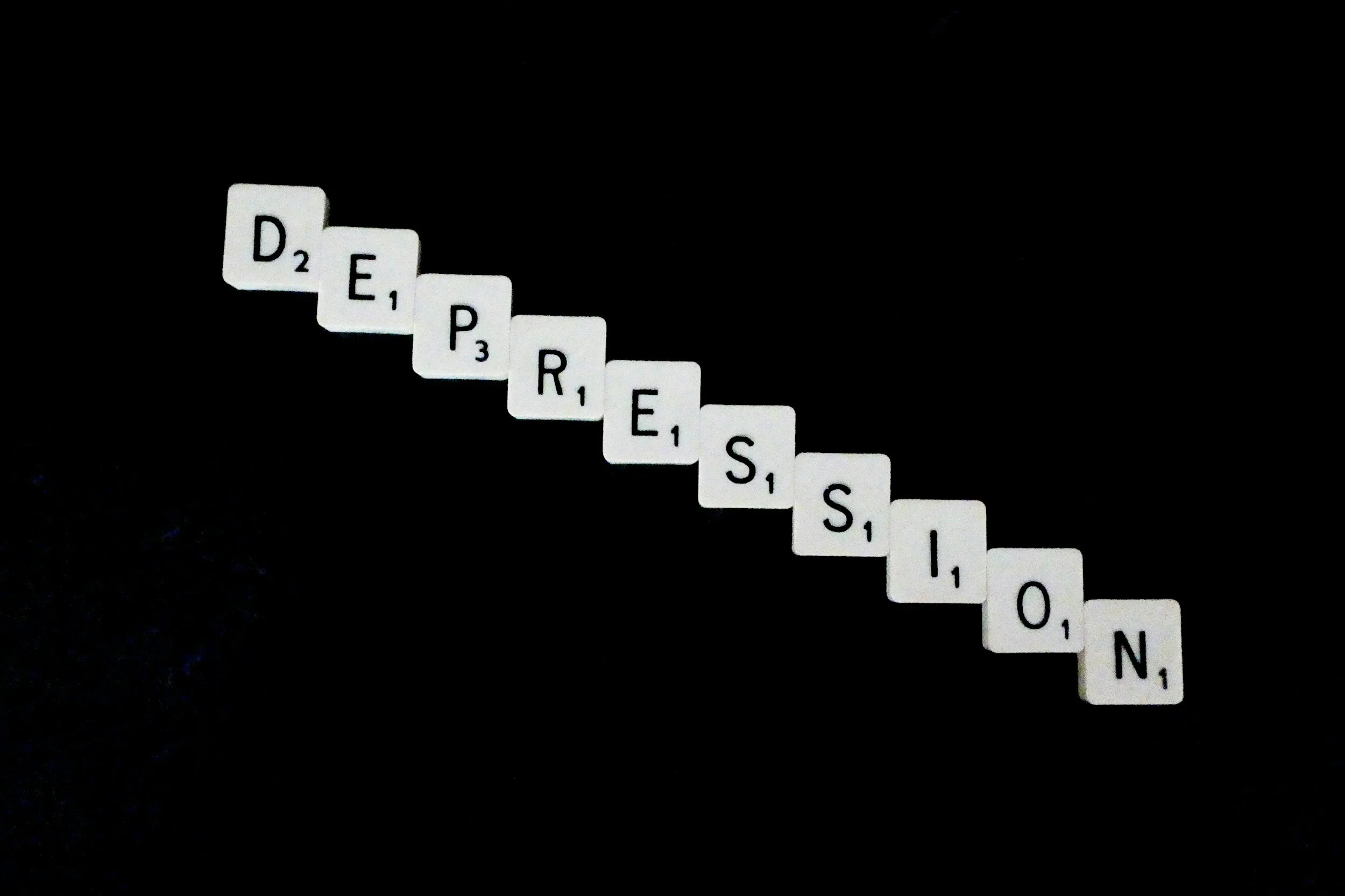
Depression Therapy in Atlanta

Weighed Down by Depression?
Do you frequently feel sad, emotionally depleted, or disconnected from yourself and others?
Have daily responsibilities begun to feel overwhelming, making it difficult to find motivation, maintain focus, or engage in activities you once enjoyed?
Maybe, like many others experiencing depression, you feel emotionally exhausted at the end of the day, as though you are moving through life on autopilot rather than fully participating in it. Or you may have noticed a growing sense of isolation, even if you are surrounded by people who care about you.
Depression can affect not only mood, but also energy levels, concentration, sleep, self-esteem, and the ability to experience pleasure or connection. Are you wondering how depression therapy can help you reconnect with yourself, your relationships, goals, and overall sense of purpose?
Depression Can Influence The Way You Think About Yourself
You may recognize that you need support from a therapist while simultaneously feeling uncertain whether treatment can truly help with depression. Feelings of hopelessness, self-criticism, shame, or guilt often accompany depression and can make reaching out for help feel especially difficult.
Perhaps you’re withdrawing from others, struggling to keep up with responsibilities, or feeling disappointed in your ability to function the way you once did. In more severe moments, you may experience thoughts that life feels empty, painful, or without meaning. These experiences can leave you unsure where to turn or how to begin feeling better again.
The good news is that, with depression therapy, it is possible to better understand what you are experiencing, develop effective coping strategies, and gradually reconnect with a greater sense of clarity, meaning, and emotional well-being.
Have any questions? Send me a message!
Depression Can Make You Think You Are The Only One Struggling
Experiencing depression can feel deeply isolating, particularly when hopelessness begins to shape the way we see ourselves, our relationships, and our future. Many people with depression silently struggle with these same feelings while appearing outwardly composed in their daily lives. Because others often share only the best versions of themselves, it is easy to assume that everyone else is coping better than we are.
As a result, we may worry that others will not understand what we are experiencing, or we fear being dismissed with advice to simply “stay positive” or “push through it.” In reality, depression is not a personal weakness or lack of motivation. It is a complex emotional and psychological condition that affects people from all backgrounds and stages of life.
Depression Often Develops When Life Becomes Overwhelming
While depression is commonly associated with sadness, it frequently involves much more than low mood alone. Depression can emerge gradually over time, particularly when painful emotions, unmet needs, chronic stress, grief, loneliness, or unresolved experiences are pushed aside rather than acknowledged and processed.
In many cases, the mind and body begin shutting down as a way of coping with emotional overwhelm. Therapy for depression can help you gain insight into the factors contributing to your emotional difficulties, build more effective coping strategies, and slowly restore a sense of connection to yourself, the people you care about, and the aspects of life that once brought you purpose and fulfillment.

Depression Therapy Can Help You Reconnect With Yourself And Your Life

For many years, I have worked with individuals experiencing depression and the profound emotional exhaustion, hopelessness, and disconnection that often accompany it.
One of the most meaningful parts of this work is helping you begin relating to yourself with greater compassion rather than constant self-judgment. Over time, therapy can help you reconnect with the parts of yourself that depression may have overshadowed, including your goals, values, relationships, and sense of possibility for the future.
As treatment progresses, you’ll notice that you are no longer trapped in the same automatic patterns of thinking and emotional reactivity. You can begin developing greater awareness of how depression influences your thoughts, behaviors, and relationships, while also learning that these patterns are not permanent. Change is possible, even when depression has been present for many years.
An Individualized And Collaborative Approach To Treatment
I approach therapy from a personalized and collaborative perspective, recognizing that depression develops differently for each individual. Drawing from my training and experience as a psychologist, I tailor treatment to your specific needs, history, and goals while helping you build practical strategies that can provide relief in daily life. Together, we may work on strengthening emotional regulation, reducing harsh self-criticism, improving coping skills, and increasing connection with supportive and emotionally safe relationships.
Therapy may also involve exploring the underlying experiences that contribute to depression, including unresolved grief, difficult life transitions, chronic stress, painful relationship experiences, or longstanding patterns rooted in earlier life experiences. Processing these experiences in a supportive environment can reduce vulnerability to recurring depressive symptoms and help create more lasting emotional change.
Moving Toward Hope, Connection, And Renewed Energy
Depression may have led you to withdraw from emotions, relationships, and even from yourself as a way of coping with overwhelming emotional pain. While these protective responses are understandable, they can also deepen feelings of isolation and hopelessness over time.
Therapy provides a space where you can feel understood without judgment while gradually learning how to approach emotions with greater confidence, flexibility, and self-awareness. In time, you’ll experience a renewed sense of energy, motivation, and emotional resilience. You’ll feel more capable of navigating difficult emotions without becoming overwhelmed or shutting down.
I would like to support you as you learn to loosen the grip of shame and self-criticism, strengthen your sense of self-worth, and build healthier, more fulfilling relationships with others and with yourself.
You May Still Have Questions Or Concerns About Depression Therapy…
-
One of the most difficult parts of depression is that it often convinces you that nothing will change. Feelings of hopelessness, shame, exhaustion, or self-doubt can make reaching out for support feel overwhelming, even when part of you recognizes that you are struggling.
The fact that you are considering therapy at all may be an important sign that a part of you wants relief, healing, and connection. With the right therapeutic support, you can begin to experience meaningful changes in how you think, feel, and relate to yourself.
-
Previous counseling experiences for depression that felt disappointing or ineffective can understandably make it difficult to try again. Effective treatment is not meant to feel rigid or one-size-fits-all. Depression therapy works best when you feel understood, actively involved in the process, and clear about the goals we are working toward together.
My approach is collaborative, individualized, and responsive to what you are experiencing in the present moment. I draw from multiple evidence-based treatment approaches to help address depression symptoms while also exploring the deeper emotional patterns and life experiences that may be contributing to them.
-
The length and structure of therapy depend on your unique goals, symptoms, history, and the type of support you are seeking. You may notice meaningful improvements relatively early in treatment as you develop healthier coping strategies, challenge depressive thought patterns, and reconnect with supportive routines and relationships.
At the same time, seeing a depression counselor is not simply about symptom reduction; it is also an investment in your long-term emotional well-being and quality of life. Addressing longstanding emotional patterns or unresolved experiences can take time, but treatment should always feel purposeful, collaborative, and focused on helping you make measurable progress.
Reach Out To Discuss Therapy At My Practice
Taking the step to acknowledge the impact your symptoms are having on your life and seeking support from a qualified professional can be the beginning of meaningful, lasting change. If you’re ready to begin depression therapy or you need help to determine whether my practice may be a good fit for your needs, please contact me. I would be glad to answer all your questions.
Recent Posts